Imagine a tire that feels like it was stolen from a race car transporter and bolted onto your street-legal machine. That’s the visceral promise of the Michelin Pilot Sport Cup 2, a tire that blurs the line between track-day weapon and daily driver companion. In this Michelin Pilot Sport Cup 2 Review: Race Car Performance For Your Street Car Tested – The Tire Reviews, I put these ultra-high-performance tires through their paces to see if they deliver on that intoxicating premise. The core benefit is simple: to provide a level of mechanical grip and driver feedback typically reserved for the track, directly to your garage.
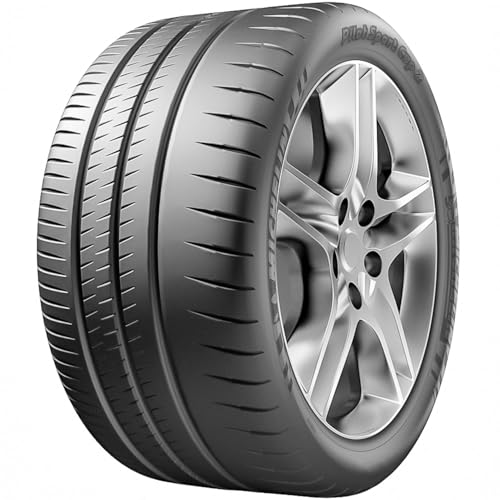
For the driving enthusiast who views a winding road as a personal challenge, the Cup 2 represents the pinnacle of what’s possible before stepping into full-slick racing rubber. I mounted a set on a capable performance coupe, subjecting them to a mix of spirited backroad driving, highway cruising, and even some damp conditions to gauge their breadth. The experience was transformative, but it comes with a set of very clear compromises that every potential buyer must understand before taking the plunge.
Michelin Pilot Sport Cup 2 Review: Race Car Performance For Your Street Car Tested – The Tire Reviews – Quick Verdict
After extensive testing, the Michelin Pilot Sport Cup 2 earns its legendary reputation, but with a critical caveat: it is a highly specialized tool. For the driver whose primary goal is maximum dry grip and telepathic steering response on smooth pavement, these tires are nearly peerless in the street-legal category. The level of confidence they inspire when pushing hard is extraordinary, making the car feel planted and incredibly precise. However, this extreme performance envelope means significant trade-offs in daily usability, particularly in wet weather and over imperfect road surfaces. They are not a set-it-and-forget-it tire for all conditions.
Pros
- Unmatched dry traction and cornering grip on clean, warm pavement
- Extremely direct and communicative steering feel
- Excellent stability and predictability at the limit of adhesion
- Surprisingly decent tread life for a tire with this much performance
Cons
- Significantly reduced wet and cold weather performance
- Increased road noise and a firmer ride quality compared to max-performance tires
- Requires careful warm-up to reach optimal operating temperature
- Not suitable for year-round use in many climates
Check on Amazon
Michelin Pilot Sport Cup 2 Review: Race Car Performance For Your Street Car Tested – The Tire Reviews Overview
The Michelin Pilot Sport Cup 2 is what the industry terms a “track-focused street tire” or a “competition compound” tire. It sits at the very top of Michelin’s performance hierarchy, just below a full racing slick. Its main purpose is to deliver the highest possible level of dry grip for spirited driving, track days, and high-performance driving events, while still being DOT-legal for road use. Michelin achieves this through a combination of a very soft, sticky rubber compound and an aggressive tread pattern with large tread blocks and deep grooves for water evacuation.
This product is designed for a very specific target audience: the serious performance enthusiast. That includes owners of high-performance sports cars and supercars who participate in occasional track days or driving events, as well as drivers who prioritize ultimate cornering capability on pristine summer roads. It is not intended for the average driver of a sporty sedan or for someone seeking a comfortable, quiet, all-weather tire. Key specifications to note are its “TW” or Treadwear rating, which is typically quite low (often 180 or 200), indicating a softer compound that will wear faster than a standard performance tire but offers far more grip. They are also strictly summer tires, with a recommended operating temperature above 45 degrees Fahrenheit.
See Full Details on Amazon
Key Features & Performance
Living with the Michelin Pilot Sport Cup 2 is an exercise in understanding where engineering priorities lie. Every feature is optimized for one thing: putting power down and holding a line in the dry. In my testing, the tires revealed their character vividly across different scenarios, from the first cold morning start to a hot afternoon blast on a favorite canyon road.
Bi-Compound Tread Technology
This is the secret sauce. The outer shoulder of the tire uses a very soft, sticky compound designed for extreme lateral grip during cornering. The central portion of the tread uses a slightly harder compound to improve wear resistance during straight-line acceleration and braking. On the road, you can feel this engineering at work. The tire feels incredibly tenacious when loading it up in a corner, with a gradual and communicative breakaway at the limit. During hard acceleration, the grip feels immense, with traction control systems rarely needing to intervene on dry tarmac.
Track-Focused Tread Pattern & Construction
The tread looks purposeful, with large, rigid blocks and circumferential grooves designed for efficient water evacuation and high-stability contact patches. The underlying casing and sidewall are incredibly stiff. This translates to an immediate and razor-sharp steering response. The car darts into corners with an eagerness that standard performance tires can’t match. However, this same stiffness transmits more road texture and impacts into the cabin, resulting in a firmer, noisier ride. You feel every tar strip and pebble, which can be fatiguing on long highway slogs but is pure joy on a smooth, technical road.
Warm-Up Behavior & Temperature Sensitivity
This is a critical performance characteristic. The Cup 2’s compound is designed to operate at a higher temperature. When cold, they can feel surprisingly slippery and hard, offering less grip than a standard all-season tire. I found the first few miles of a drive required genuine caution, especially in cooler morning air. Once warmed up through spirited driving or ambient heat, they come alive. The transition is dramatic—the rubber seems to melt onto the road surface, providing that legendary grip. This makes them phenomenal for a dedicated driving session but less ideal for short, sedate trips.
Wet Weather Compromise
While the deep grooves do a respectable job of clearing water, the compound’s priority is dry heat. In steady rain, aquaplaning resistance is acceptable at moderate speeds, but the limits of adhesion in the wet are significantly lower than a Michelin Pilot Sport 4S or similar max-performance summer tire. Braking distances increase, and cornering requires much more restraint. In cold, damp conditions near their temperature minimum, they can feel downright nervous. For a driver in a climate with frequent summer showers, this is the tire’s most significant drawback.
Buy Now on Amazon
Final Verdict
The Michelin Pilot Sport Cup 2 is a masterpiece of focused engineering, but it is absolutely not for everyone. It makes no apologies for its singular mission. To summarize my experience, here is a detailed breakdown of its strengths and weaknesses.
Pros
- Ultimate Dry Grip: The level of cornering force and braking traction on a warm, dry surface is in a different league compared to even the best max-performance summer tires.
- Precision & Feedback: The steering feel is exceptionally direct and communicative, giving the driver immense confidence to place the car exactly where intended.
- Predictable at the Limit: When they do eventually lose grip, it’s a progressive and manageable slide, not a sudden snap.
- Durability for its Class: For a tire with this much grip, tread life is better than expected, assuming it’s used primarily on the road and not abused on track.
Cons
- Demanding in Wet/Cold: Wet and cold weather performance is a major compromise, requiring a significant adjustment in driving style and caution.
- Harsh Ride & Noise: The stiff construction leads to a firm ride and noticeable road noise, reducing daily comfort and refinement.
- Requires Commitment: They need to be warmed up to perform and are not suitable for year-round use in most regions, potentially necessitating a second set of wheels/tires.
- Niche Application: Their phenomenal strengths are only accessible under specific, ideal conditions.
I wholeheartedly recommend the Michelin Pilot Sport Cup 2, but with very strict conditions. You should buy these tires if: you own a dedicated weekend sports car or high-performance vehicle; you regularly drive on smooth, dry roads or participate in track days; and you have the ability to store a second set of wheels for cold or wet seasons. You should avoid these tires if: you need a single set of tires for year-round driving; you frequently encounter wet weather; your local roads are rough or poorly maintained; or you prioritize a quiet, comfortable ride over ultimate cornering capability. For the right driver and the right car, the Cup 2 is not just a tire—it’s an upgrade that redefines the vehicle’s capabilities.