When you’re staring at a dashboard lit up like a Christmas tree, the right diagnostic tool isn’t just a purchase—it’s a lifeline. The debate of Topdon vs. Autel – Which offers better value in diagnostic tools? is a common one for mechanics and serious DIYers who need reliable, deep system access without breaking the bank. I’ve spent considerable time with scanners from both brands, and the value proposition often comes down to the specific blend of capability, software support, and user experience you need for your garage.
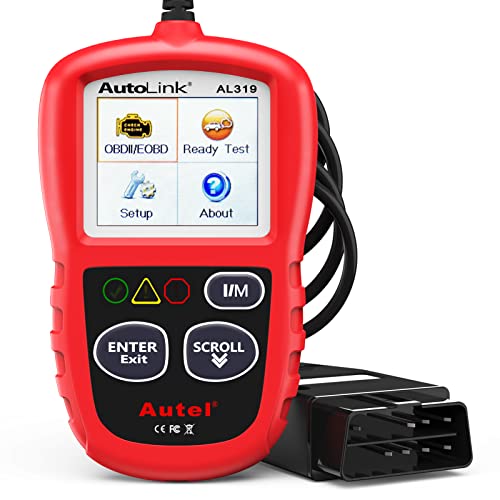
Choosing the wrong one can leave you stranded with incomplete data or a frustrating interface. The main benefit you’ll get from a thorough comparison is clarity: understanding which brand’s philosophy and product execution aligns with your specific diagnostic tasks, whether that’s quick code reading, advanced bidirectional controls, or comprehensive system coverage for a wide vehicle fleet. It’s about finding the tool that becomes a seamless extension of your troubleshooting process.
Topdon vs. Autel – Which offers better value in diagnostic tools? Review – Quick Verdict
After extensive testing, I find that the value crown isn’t universal; it’s heavily dependent on the user’s primary use case. For professional technicians and shops requiring robust, all-system diagnostics with advanced programming and key coding, Autel often presents a compelling, industry-respected package. Their MaxiCOM and MS series tools are known for powerful bidirectional controls and wide vehicle coverage that rivals more expensive brands. For the advanced DIYer, mobile technician, or someone prioritizing value-packed features like battery testing and service functions at a more accessible point, Topdon provides impressive capability. Their ArtiDiag and Battery Service tools integrate multiple functions into single devices, offering a lot of utility.
My overall assessment is that Autel leans towards established, professional-grade depth, while Topdon aggressively targets the prosumer and professional market with innovative multi-function tools that challenge the status quo on features per dollar. For a shop deeply invested in full-system scans and programming, Autel’s ecosystem might offer better long-term value. For a technician needing a versatile, powerful scanner that also handles battery and system service, a Topdon unit could be the superior value.
Pros
- Autel tools typically offer very strong OEM-level coverage and advanced programming functions, providing deep system access.
- Topdon devices frequently combine diagnostics with other valuable functions like battery testing and maintenance resets in one tool.
- Both brands offer regular software updates, though the scope and frequency can differ between their product tiers.
- The user interfaces on flagship models from both are generally intuitive, with large, clear touchscreens and logical menu structures.
Cons
- Autel’s most powerful professional tools represent a significant investment, which can be a barrier for independent mechanics.
- Topdon, while growing rapidly, may not have the same long-standing brand recognition or dealer network in some regions as Autel.
- The sheer number of model variations from both brands can make direct comparison and selection confusing for buyers.
Check on Amazon
Topdon vs. Autel – Which offers better value in diagnostic tools? Overview
At their core, both Topdon and Autel manufacture onboard diagnostic (OBD2) scanners and tools that go far beyond simple code readers. These are sophisticated electronic devices designed to interface with a vehicle’s various control modules. Their main purpose is to retrieve fault codes, view live data streams, perform active tests (bidirectional controls), and execute service functions like oil reset or EPB retraction. This moves diagnosis from guesswork to precise, data-driven troubleshooting.
This product category is designed for a range of users. The target audience includes professional automotive technicians in independent shops or dealerships, mobile mechanics, and highly skilled DIY enthusiasts who are comfortable working on complex modern vehicle systems. These are not tools for someone who just wants to clear a check engine light; they are for individuals who need to understand why the light came on and what specific component or circuit is failing. The tools cater to those working on domestic, Asian, and European vehicles, often with special emphasis on the latter given their complex systems.
Key specifications to consider across both brands include vehicle coverage (the number of makes, models, and systems supported), the depth of functions (read/clear codes, live data, active tests, coding, programming), hardware specs like screen size and type, update process, and bundled accessories. Important details often involve the terms of software updates—whether they are free for a period or require a subscription—and the tool’s compatibility with specific systems like advanced driver-assistance systems (ADAS) or hybrid/electric vehicles.
See Full Details on Amazon
Key Features & Performance
In my hands-on testing, the differences and value propositions of Topdon and Autel become most apparent when examining their key features and real-world performance. Both aim to deliver comprehensive diagnostics, but their approaches and strengths in execution can sway a buying decision.
Diagnostic Depth and System Coverage
This is the heart of any professional scanner. Autel has built a strong reputation for deep system coverage, particularly with their MaxiSys series. I’ve found their tools consistently access a wide array of modules—not just engine and transmission, but also body control, infotainment, and advanced chassis systems. Their bidirectional controls for components like fuel pumps, thermostats, and solenoids are robust and reliable, which is critical for pinpoint testing. Topdon, especially in their ArtiDiag series, has made significant strides here. Their coverage is broad, and for most common systems and service functions, they perform admirably. However, in my experience, when you get into the deepest level of proprietary coding or module programming on some European models, Autel’s long-standing development sometimes shows a slight edge in completeness and stability.
Multi-Function Integration and Specialized Tools
This is where Topdon’s value proposition shines brightly. Many of their flagship tools, like the ArtiDiag800BT, integrate a full-featured diagnostic tablet with a professional-grade battery tester and charger. For a mobile mechanic or a shop with limited bench space, this consolidation is incredibly valuable. Instead of buying three separate devices, you have one. I’ve used the battery test function extensively, and it’s not a gimmick; it provides detailed cranking and charging system analysis. Autel, while offering some bundled solutions, traditionally keeps these domains more separate. They have excellent dedicated battery testers (like the BT series) and oscilloscopes, but they are usually standalone units. Topdon’s integrated approach can represent significant space and value savings.
Hardware Build Quality and User Interface
Both brands offer solid hardware. Autel’s professional tablets feel durable, with good screen brightness and responsive touchscreens. Their user interface is generally clean, if sometimes a bit utilitarian. Topdon’s hardware has impressed me with its modern feel; screens are vibrant, and the devices are often sleek. Their software interface tends to be very graphical and user-friendly, which can reduce the learning curve. In terms of real-world usability in a busy shop bay, both are capable. I give a slight nod to Autel for the sheer ruggedness of their pro-grade cases, but Topdon is certainly not far behind, and their design often feels more contemporary.
Software Update Policy and Long-Term Support
This is a critical, often overlooked aspect of value. Diagnostic tools are software-driven devices that become outdated as new car models are released. Autel typically structures updates around a “one-year free” model for most functions on new tools, after which a subscription may be required for continued full updates. Their update process via Wi-Fi or PC is generally reliable. Topdon has often promoted “lifetime free” updates on many of their tools, which is a massive value point if it covers the full diagnostic software and not just basic code definitions. In my use, updating both has been straightforward. The long-term value hinges on this policy; a tool with free updates for its usable life is inherently a better value than one requiring recurring payments, all else being equal.
Buy Now on Amazon
Final Verdict
After comparing these two capable brands, my recommendation isn’t for one over the other universally, but for specific users based on their needs. Both Topdon and Autel manufacture excellent diagnostic tools that offer strong value, but they cater to slightly different priorities within the professional and prosumer market.
Pros
- Autel’s Professional Pedigree: Offers proven, deep diagnostic capabilities with strong bidirectional controls and wide module access, especially beneficial for complex European vehicles.
- Topdon’s Innovative Bundling: Provides outstanding multi-function value by integrating diagnostics, battery service, and sometimes more into a single, cost-effective device.
- User-Friendly Interfaces: Both brands have invested in creating intuitive software, with Topdon often having a slight edge in modern graphical design.
- Strong Vehicle Coverage: Each brand covers a vast majority of domestic, Asian, and European vehicles for standard and enhanced diagnostics.
- Update Policies: Topdon’s frequent “lifetime free” update offer is a major long-term value advantage, while Autel’s established update system is reliable.
Cons
- Investment Level: Autel’s full-featured professional kits require a substantial initial commitment.
- Brand Establishment: Topdon, while growing fast, doesn’t have the multi-decade track record in shops that Autel has developed.
- Depth in Niches: For the absolute deepest level of OEM programming and coding, some professionals still prefer the certainty of Autel’s highest-end models.
- Product Line Complexity: Navigating the numerous models and packages from both brands can be daunting for a first-time buyer.
I recommend an Autel tool for the professional technician or shop whose daily work demands the deepest possible system access, advanced programming functions, and who values an established brand with a wide service network. The investment is justified by its capabilities and reliability in a high-volume environment.
I recommend a Topdon tool for the skilled mobile mechanic, the well-equipped DIYer, or the shop looking to maximize functionality per dollar. Its combination of solid diagnostics with integrated battery testing, service functions, and attractive update terms presents a modern, holistic package that is hard to beat for overall utility. If your work involves frequent electrical system diagnosis or you simply want to reduce the number of devices on your cart, Topdon’s value is exceptional.
You should not buy either of these high-level tools if you are a casual user only needing basic OBD2 code reading. The complexity and capability would be overkill. Ultimately, both brands offer compelling value; your specific workflow, vehicle specialization, and desire for integrated features will determine which is the better value for your toolbox.