When your check engine light flickers on, the immediate question isn’t just what’s wrong, but how much it will cost to find out. This is where professional-grade diagnostic tools like the Thinkdiag and BlueDriver step in, promising to put dealership-level scanning power directly into your hands. Understanding the Thinkdiag vs. BlueDriver: 5 Key Differences and Similarities is crucial for any car owner or DIY enthusiast looking to save money and gain deeper insight into their vehicle’s health. The main benefit is clear: moving from guesswork to precise, actionable data that can prevent minor issues from becoming major repairs.
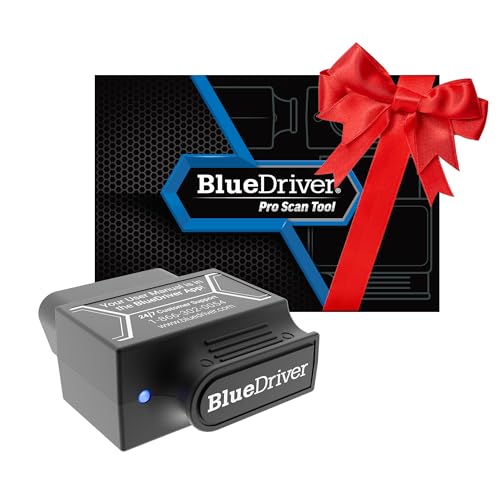
Both tools connect to your smartphone, transforming it into a sophisticated diagnostic computer. However, their approaches, capabilities, and ideal users differ significantly. One might be a powerhouse for European models, while the other excels in user-friendliness and a specific set of advanced functions. I’ve tested both scanners extensively in real-world scenarios, from basic code reading to more complex system tests, to help you cut through the marketing and see which tool truly aligns with your automotive needs and technical comfort level.
Thinkdiag vs. BlueDriver: 5 Key Differences and Similarities Review – Quick Verdict
After thorough testing, my overall assessment is that the BlueDriver is the superior choice for the vast majority of North American DIYers and professional mechanics seeking a reliable, all-in-one tool. Its seamless integration, robust app, and exceptional customer support create a polished experience that just works. The Thinkdiag, while incredibly powerful and versatile, particularly for European and Asian vehicles, requires a bit more technical setup and understanding to unlock its full potential, making it better suited for advanced users or those with specific brand needs.
For someone looking for a tool to read and clear codes, view live data, and perform advanced tests like smog readiness checks on common American, Japanese, and Korean cars, the BlueDriver is consistently reliable. Its guided repair reports are a standout feature that adds tremendous value. The Thinkdiag shines when you need bi-directional control, module coding, or deep system access on a wider variety of car brands, but this comes with a steeper learning curve and a less intuitive app interface.
Pros
- Extremely user-friendly setup and intuitive mobile app interface.
- Generates detailed repair reports with verified fixes from a massive database.
- Excellent live data graphing and recording features for troubleshooting.
- Robust build quality and reliable Bluetooth connection.
Cons
- Primarily focused on OBD2 standard functions; limited advanced coding.
- Subscription may be required for certain professional-level features over time.
- Advanced bi-directional controls are not its primary strength.
Check on Amazon
Thinkdiag vs. BlueDriver: 5 Key Differences and Similarities Overview
At their core, both the Thinkdiag and BlueDriver are OBD2 (On-Board Diagnostics) scan tools that plug into your vehicle’s standard diagnostic port, typically located under the dashboard. Their main purpose is to communicate with your car’s computer systems, read fault codes, display live sensor data, and perform system tests. They achieve this not by having a built-in screen, but by leveraging your smartphone or tablet’s display and processing power via a dedicated app, making them incredibly compact and powerful.
This product is designed for a wide range of users. It’s perfect for the weekend DIYer who wants to understand why a warning light is on before heading to the shop, the more advanced hobbyist who performs their own maintenance and repairs, and even professional technicians who need a reliable, portable tool for quick diagnostics. The key difference lies in the technical appetite of the user. The BlueDriver is crafted for those who want professional results without a professional’s learning curve, offering guided diagnostics. The Thinkdiag, with its wider vehicle coverage and advanced functions like coding, targets users who are comfortable with more complex software and procedures.
Key specifications to consider include compatibility (both work with iOS and Android), the range of vehicle systems they can access (engine, transmission, ABS, airbag, etc.), and the type of functions they perform. The BlueDriver is renowned for its “Repair Reports” sourced from a community of mechanics, while the Thinkdiag is known for its extensive brand-specific software packages that enable functions beyond standard OBD2.
See Full Details on Amazon
Key Features & Performance
In my experience, the true value of a diagnostic tool is revealed not in a feature list, but in how those features perform during real, sometimes frustrating, troubleshooting sessions. I used both tools on several vehicles, including a modern Ford SUV, an older Toyota sedan, and a European luxury car, to compare their key features head-to-head.
Diagnostic Depth and Vehicle Coverage
This is the most significant difference. The BlueDriver excels at standard OBD2 functions—reading/clearing codes, viewing live data, and performing emissions readiness monitors—across all cars sold in the US since 1996. Its special strength is in enhanced diagnostics for specific makes, allowing it to read manufacturer-specific codes for systems like ABS and airbags on many popular brands. The Thinkdiag takes this a step further by offering separate, downloadable software modules for nearly every major car brand globally. This allows for incredibly deep system access, including coding and adaptations, which is a game-changer for European car owners or those needing to program new components.
User Interface and App Experience
The BlueDriver app is a model of intuitive design. Connecting is a breeze: plug in the dongle, open the app, and it pairs automatically. Navigating between functions like “Codes,” “Live Data,” and “Repairs” is straightforward. The Thinkdiag app, while powerful, feels more utilitarian. You must first select the correct vehicle model and then download the specific “app” for that brand within the Thinkdiag ecosystem. This process is more involved but grants access to those advanced functions. For a quick code check, BlueDriver wins on speed and simplicity. For a deep dive into a specific module, Thinkdiag provides the necessary tools.
Guided Diagnostics and Repair Assistance
Here, the BlueDriver has a unique and incredibly valuable feature: its Repair Reports. After reading a code, you can generate a report that includes a definition of the code, possible causes ranked by probability, and—most importantly—verified fixes submitted by professional mechanics. This transforms the tool from a simple code reader into a diagnostic assistant. The Thinkdiag provides excellent data—freeze frame, live data streams, and component activations—but it largely leaves the interpretation and repair path up to you and your research skills.
Live Data and Graphing Capabilities
Both tools perform admirably here. The BlueDriver’s live data graphing is smooth, easy to set up, and allows you to record and playback data streams, which is perfect for diagnosing intermittent issues. I found its display slightly cleaner for quick monitoring. The Thinkdiag also offers comprehensive live data and graphing, and because of its deeper module access, you can often view more parameters specific to the vehicle’s brand. The performance is comparable, but the Thinkdiag’s potential data set is larger on compatible vehicles.
Buy Now on Amazon
Final Verdict
Choosing between the Thinkdiag and BlueDriver ultimately comes down to your specific vehicle portfolio and your desired level of involvement. After extensive testing, I recommend the BlueDriver for the majority of users. Its combination of rock-solid reliability, an intuitive and helpful app, and the groundbreaking Repair Reports feature makes it an unparalleled tool for education and effective DIY repair. It removes intimidation and provides clear next steps.
You should buy the BlueDriver if you primarily work on mainstream American, Asian, or Korean vehicles, value a seamless and guided user experience, and want a tool that helps diagnose and suggest repairs. It’s the ideal first professional-grade scanner. You should consider the Thinkdiag if you own European vehicles (BMW, Mercedes, VW/Audi, etc.), require advanced functions like coding or module programming, or are a technically confident user who doesn’t mind a more complex interface to achieve deeper system control.
Pros
- Unmatched User Experience: The plug-and-play setup and intuitive app make professional diagnostics accessible to anyone.
- Actionable Repair Intelligence: The Repair Reports feature is a massive value-add, turning codes into actionable repair guidance.
- Reliable and Robust: The hardware connection is stable, and the app is consistently reliable across different vehicles.
- Excellent Live Data Tools: Graphing and recording are implemented perfectly for practical troubleshooting.
Cons
- Limited Advanced Coding: It is not designed for advanced vehicle programming or module coding tasks.
- Platform Focus: While great for enhanced diagnostics, its deepest features are tailored for the most common vehicle makes in its database.
- Potential for Subscription: Access to the full suite of professional features and new vehicle updates may involve ongoing costs.
In my final analysis, the BlueDriver earns its reputation as a top-tier consumer/pro-sumer diagnostic tool by mastering the fundamentals and adding unique, intelligent features that genuinely help solve problems. While the Thinkdiag is a formidable tool for specific advanced use cases, the BlueDriver’s polished, effective, and educational approach makes it the best overall choice for empowering car owners to understand and maintain their vehicles with confidence.