Driving in hot climates presents unique challenges for your tires. Intense heat and sun-baked pavement can accelerate wear, reduce traction, and compromise safety. Choosing the right tire is not just about comfort; it’s about finding a compound and tread design engineered to withstand high temperatures while delivering reliable performance.
Our expert roundup focuses on tires that excel in heat, prioritizing features like heat-resistant compounds, stable handling at high speeds, and durability on hot asphalt. From ultra-high-performance summer tires to robust all-season options, these selections are designed to keep you secure and confident when the mercury rises.
Our Top Picks for Hot Weather Driving
- Michelin Premier A/S Performance Radial Tire
- MICHELIN Defender LTX M/S All-Season Radial Tire
- MICHELIN PILOT SPORT 4 S
- FALKEN AZENIS FK510 UHP-S Radial Tire
- Yokohama ADVAN Apex V601 Summer Tire
- Bridgestone Ecopia H/L 422 Plus RFT All-Season Tire
- MICHELIN PILOT SPORT 4 S (Vehicle Specific)
- Bridgestone Potenza RE980AS All-Season Tire
- Hankook Ventus S1 Noble2 All Season Tire
- Continental ExtremeContact DWS06 Plus Radial Tire
Michelin Premier A/S Performance Radial Tire

The Michelin Premier A/S is engineered for drivers who need a tire that performs consistently as it wears. Its EverGrip Technology uses a high-silica compound for exceptional wet grip, a benefit that remains effective because expanding rain grooves and emerging grooves activate as the tread wears down. This design is useful in hot climates that experience sudden summer storms.
Furthermore, the specialized compound is formulated to remain flexible across a range of temperatures, aiding in both cooler conditions and providing stable performance in heat. The focus on shorter stopping distances and a quiet, comfortable ride makes it a strong all-season choice for sedans and coupes facing varied weather, including hot, dry roads.
MICHELIN Defender LTX M/S All-Season Radial Tire

Built for light trucks, SUVs, and crossovers, the Michelin Defender LTX M/S is a tire focused on longevity and all-weather capability. The Michelin EverTread Compound is designed to provide 10% more mileage in severe conditions compared to its predecessor, a key advantage for vehicles that rack up miles on hot highways. This durability helps it resist the accelerated wear caused by high temperatures.
It also provides reliable wet and light snow traction, making it a true four-season workhorse. For drivers in hot climates who need a tire that can handle the heat, carry heavy loads, and still offer many miles of service, this tire is a leading contender known for its rugged construction and consistent performance.
View Details for SUVs & Trucks
MICHELIN PILOT SPORT 4 S

The Michelin Pilot Sport 4 S is a max performance summer tire, making it an ideal specialist for hot climates. Its tread compound and construction are specifically optimized for warm, dry pavement, providing exceptional grip and responsive handling for sports cars and performance vehicles. This tire is engineered to maintain its integrity and stickiness even when asphalt temperatures soar.
It offers precise steering feedback and high levels of cornering stability, giving drivers confidence during spirited driving. While it is not intended for cold or snowy conditions, for pure dry and wet warm-weather performance, the Pilot Sport 4 S is a top-tier choice that many enthusiasts and experts recommend.
See Performance Specifications
FALKEN AZENIS FK510 UHP-S Radial Tire
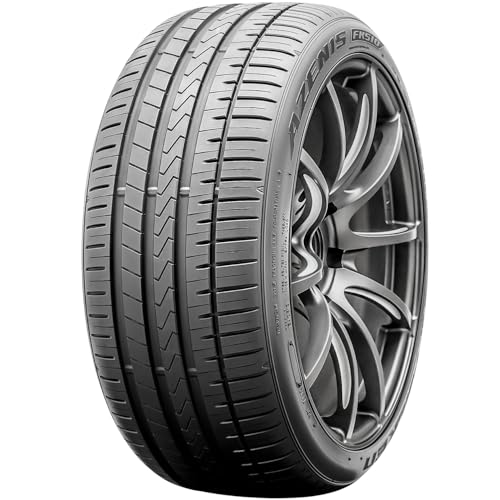
The Falken Azenis FK510 is an ultra-high-performance all-season tire that brings sporty characteristics to daily driving. It features a robust construction with an XL (Extra Load) ply rating, which provides added strength and durability—a benefit for handling the stresses of high-speed travel on hot roads. This build quality supports stable handling and even wear.
Its asymmetric tread pattern is designed to balance dry road grip with wet weather evacuation, making it a suitable option for hot regions with occasional heavy rainfall. Drivers looking for a tire that offers a sporty feel without sacrificing all-season usability in a warm climate will find the FK510 a compelling option.
Yokohama ADVAN Apex V601 Summer Tire

As a dedicated summer tire, the Yokohama Advan Apex V601 is built from the ground up for warm conditions. Its micro-silica compound and rounded ribs are engineered to optimize contact pressure with the road, promoting even wear and consistent grip as temperatures increase. The solid center rib enhances high-speed stability, a critical factor for highway driving in hot weather.
Yokohama also focused on reducing road noise through optimized groove angles, contributing to a more comfortable driving experience during long, hot commutes. For drivers who want a pure summer performance tire that can handle intense heat while providing precise control and comfort, the V601 is a strong candidate.
Bridgestone Ecopia H/L 422 Plus RFT All-Season Tire
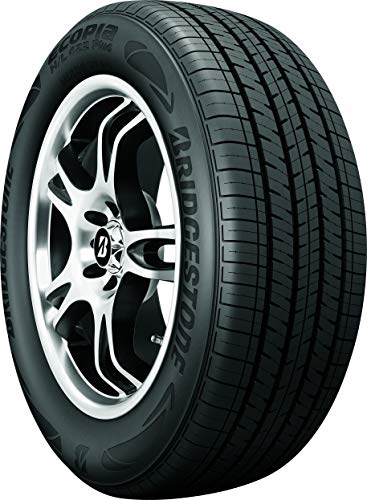
The Bridgestone Ecopia H/L 422 Plus is a run-flat tire designed for fuel efficiency and a quiet ride. Its low rolling resistance compound helps improve gas mileage, which can be especially valuable in hot climates where air conditioning use is constant. The tire’s construction aims to dampen road noise, providing a comfortable cabin environment.
As an all-season tire with run-flat capability, it offers added security and convenience. For drivers of family sedans and crossovers who prioritize fuel economy, comfort, and the safety of run-flat technology for their hot-weather travels, this Bridgestone model presents a practical and reliable solution.
MICHELIN PILOT SPORT 4 S (Vehicle Specific)

This version of the Michelin Pilot Sport 4 S is engineered as a vehicle-specific fitment, meaning its internal construction and tuning are optimized for particular high-performance car models. This precise engineering ensures that the tire’s exceptional dry and wet grip characteristics are perfectly matched to the vehicle’s weight, power, and suspension dynamics.
For owners of performance cars in hot climates, this tailored approach means maximum performance and handling fidelity. The heat-tolerant compound provides the consistent, high-level grip needed for both daily driving and track use, making it a premier choice for drivers who demand the best possible fit for their specific vehicle.
Bridgestone Potenza RE980AS All-Season Tire

The Bridgestone Potenza RE980AS is an ultra-high-performance all-season tire designed to deliver crisp handling year-round. It features a tread compound and pattern that provide impressive grip on dry roads, which is essential for hot weather performance, while also significantly improving wet weather braking compared to its predecessor.
This balance makes it an excellent option for drivers in hot climates that also experience seasonal rain. It offers the sporty responsiveness of a summer tire with the added security of all-season capability, ensuring confident driving whether the road is dry and hot or unexpectedly wet.
Hankook Ventus S1 Noble2 All Season Tire

Hankook’s Ventus S1 Noble2 uses advanced technology to perform well in various conditions. Its new silica tread compound is formulated for improved wet grip and lower rolling resistance, which can contribute to better fuel efficiency on long, hot drives. The aqua hydro block design, developed through 3D simulation, effectively resists hydroplaning.
The tire is also engineered for optimal tread stiffness, which translates to responsive handling and stability on dry pavement. For drivers seeking a technologically advanced all-season tire that provides a balanced mix of wet safety, dry road manners, and efficiency in a warm climate, the Ventus S1 Noble2 is a noteworthy option.
Continental ExtremeContact DWS06 Plus Radial Tire
The Continental ExtremeContact DWS06 Plus is a highly regarded ultra-high-performance all-season tire. It is renowned for its impressive dry, wet, and light snow traction, as indicated by its DWS (Dry, Wet, Snow) naming. For hot climates, its compound provides strong dry grip and handling that rivals many summer tires, while its tread design efficiently channels water away.
This tire offers a sporty driving experience without compromising the ability to handle sudden weather changes. Its durability and consistent performance across a wide temperature range make it a favorite among drivers who want one tire capable of handling both scorching summer heat and cooler seasonal transitions with confidence.
What to Look For in the Best Tires For Hot Climates
Living where the sun beats down and the pavement sizzles means your tires face a unique kind of stress. You can’t just slap on any set of rubber and call it a day. As someone who’s tested tires in desert heat, I look for a few key things that separate the good from the melted and miserable. Getting this right means better safety, longer tread life, and more predictable handling when the temperatures soar.
First and foremost, you need a tire with a heat-resistant compound. This is the secret sauce. Standard tire rubber gets soft and sticky when it’s super hot, which sounds good for grip, but it actually causes it to wear out incredibly fast. It’s like an eraser on a hot sidewalk—it just disintegrates. The best tires for hot climates use advanced silica-based compounds or other polymers that stay stable. They resist getting too soft, which means the tread doesn’t squirm as much and you get much more even wear. Look for terms like “heat-resistant” or “all-season compound” in the manufacturer’s descriptions.
Tread design is your next big clue. You want a pattern that balances dry grip with heat dissipation. A solid, continuous center rib is great for straight-line stability and responsive steering on hot highways. Look for lots of sipes (those little cuts in the tread blocks) and grooves that are designed to channel air and help cool the tire from the inside out. A tire that runs cooler is a tire that lasts longer. Also, pay close attention to the UTQG Treadwear Rating. This number gives you a rough comparison of how long a tire should last relative to others. In hot climates, I generally advise not going for the softest, stickiest performance tire with a 200 rating unless you’re okay with replacing them very often. A rating in the 400-600 range often offers a great blend of longevity and grip.
Finally, don’t ignore the speed rating. It’s not just about how fast you can go; it’s an indicator of the tire’s construction and ability to handle heat buildup at sustained high speeds. A higher speed rating (like V, W, or Y) means the tire has been engineered with more robust materials to withstand the centrifugal force and heat generated at those speeds. Even if you don’t drive 150 mph, a tire with a W rating is built to run cooler and more reliably on a 90-degree interstate than a tire with a lower S or T rating. For your expert recommendations on the top 10 best tires for hot climates, focusing on these factors will point you toward models that won’t let you down when the heat is on.
Frequently Asked Questions
Do I need special tires if I live in a place that’s hot but also gets occasional rain?
Absolutely, and this is a very common situation. The good news is that many of the top-performing tires for hot climates are also excellent in the rain. The key is to look for a high-performance all-season or grand touring all-season tire. These are specifically engineered with compounds and tread patterns that handle dry, hot pavement brilliantly while still having the deep grooves and biting edges needed to evacuate water and prevent hydroplaning. You don’t have to sacrifice wet safety for heat durability.
How often should I check my tire pressure in hot weather?
More often than you think! I check mine at least once a month, and always before a long road trip. Here’s why: air expands when it gets hot. Your tires, sitting on hot asphalt, heat up even more. The pressure you set on a cool morning can be several PSI higher by the afternoon. Over-inflated tires from heat expansion can lead to a harsher ride, less grip in the center of the tread, and uneven wear. Never “bleed” air from a hot tire to reach the recommended pressure. Always check and adjust pressures when the tires are cold (haven’t been driven for a few hours).
Is a higher treadwear rating always better for heat?
Generally, yes, but with a big caveat. A higher UTQG treadwear number (like 600 vs. 300) suggests the compound is harder and will resist wearing down quickly in the heat. This is great for longevity and your wallet. However, a harder compound can sometimes mean slightly less ultimate grip, especially when the tires are cold or in wet conditions. The sweet spot is finding a tire with a robust, heat-fighting compound that still has a modern, grippy design. You don’t always need the absolute hardest, longest-wearing tire if it makes your car feel slippery.
Can I use my winter/snow tires in hot weather?
Do not do this. It’s a terrible idea for both safety and tire health. Winter tires are made from a much softer compound that stays pliable in freezing temps. In hot weather, that compound becomes far too soft. They will wear out at an astonishing rate—you could shred them in a single summer of driving. More importantly, they will feel mushy, offer poor handling, and overheat dangerously at highway speeds. Always swap out your winter tires when consistent warm weather arrives.
Does rotating my tires really help them last longer in hot conditions?
It’s one of the simplest and most effective things you can do. In hot climates, where pavement friction is high, tires wear faster. Front tires, especially on front-wheel-drive vehicles, wear much quicker than rears due to steering and driving forces. Regular rotation (every 5,000-8,000 miles) ensures this wear happens evenly across all four tires. This prevents one set from wearing out prematurely, maximizes the life of your set, and helps maintain balanced handling. It’s a must-do for getting the most from your investment in the best tires for hot climates.