For drivers seeking security and convenience, run-flat tires are a game-changer. These specialized tires are engineered with reinforced sidewalls that allow you to continue driving for a limited distance after a puncture, typically up to 50 miles at reduced speed. This eliminates the immediate danger and hassle of changing a tire on a busy roadside. As we look ahead to 2025, the technology has matured, offering a wider range of options that don’t compromise on daily comfort, fuel efficiency, or performance.
Choosing the right run-flat tire depends on your vehicle, driving style, and local climate. Whether you prioritize all-season touring comfort, sporty handling, or maximum wet-weather safety, there is a model designed for your needs. This roundup highlights ten of the best run-flat tires available, detailing their key features and benefits to help you make an informed decision for your next set.
The Best Run-Flat Tires for 2025
- Bridgestone Ecopia EP422 Plus All-Season Touring Tire
- Continental ContiProContact Radial Tire – 255/45R19 104H
- Yokohama Avid ENVigor ZPS 195/55R16 87V Passenger Tire
- Hankook Ventus S1 Noble2 H452 All Season Tire
- FALKEN 255/35ZR18 94Y AZENIS FK510 UHP-S XL BW
- Michelin Pilot Sport All Season 4 Performance Tire 245/40ZR18
- Bridgestone Potenza S001 RFT Radial Tire – 255/35R19 92Y
- Pirelli P-Zero (PZ4)
- Pirelli Tires CINTURATO P7 A/S (RUN FLAT) 225X45R18 Tire
- Continental ExtremeContact DWS 06 Plus Runflat
Bridgestone Ecopia EP422 Plus All-Season Touring Tire

The Bridgestone Ecopia EP422 Plus is a touring tire built for drivers who value long-term value and efficiency. Its primary focus is on reducing rolling resistance, which can contribute to better fuel economy over the life of the tire. This makes it a practical choice for daily commutes and long highway trips.
Beyond efficiency, it provides reliable all-season performance for confident driving in various weather conditions. Bridgestone supports this tire with a strong 70,000-mile limited treadwear warranty, giving you assurance of its durability and long-lasting performance.
Continental ContiProContact Radial Tire

The Continental ContiProContact is designed as a reliable, all-season radial tire that balances comfort and performance. It aims to provide a smooth and quiet ride, making it suitable for a wide range of passenger vehicles and daily driving scenarios.
Continental’s engineering focuses on consistent performance and durability. Potential buyers should note specific regional sales restrictions that may apply before purchase.
Yokohama Avid ENVigor ZPS Passenger Tire
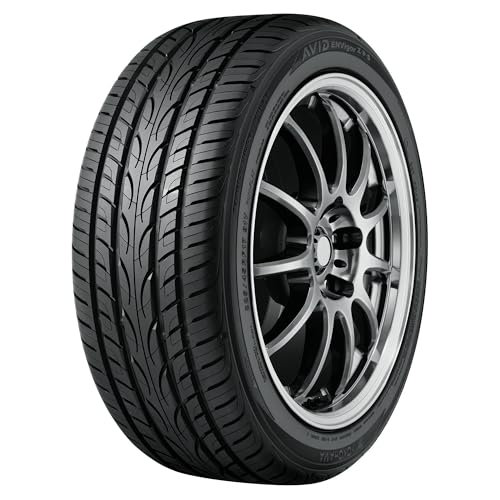
The Yokohama Avid ENVigor ZPS is a passenger tire that incorporates run-flat technology for added security. Its construction uses exclusive contour, sidewall reinforcement, and a resilient bead wire to support the vehicle’s weight even after air loss.
This tire also excels in wet conditions. Its tread design, featuring angled groove walls and adaptive 3D sipes, actively resists hydroplaning and maintains grip on wet and winter roads. Yokohama stands behind this tire with a 30-day trial satisfaction guarantee.
Hankook Ventus S1 Noble2 H452 All Season Tire

The Hankook Ventus S1 Noble2 is an all-season tire engineered for drivers of sporty coupes and sedans. It uses an advanced aqua hydro block design, developed through sophisticated 3D simulation, to provide highly efficient wet braking and reduce the risk of hydroplaning.
A new silica tread compound improves wet grip while also helping to lower rolling resistance. The internal structure ensures optimal tread stiffness, which translates to sharp, responsive handling and stability during cornering and maneuvering.
FALKEN AZENIS FK510 All Season Radial Tire
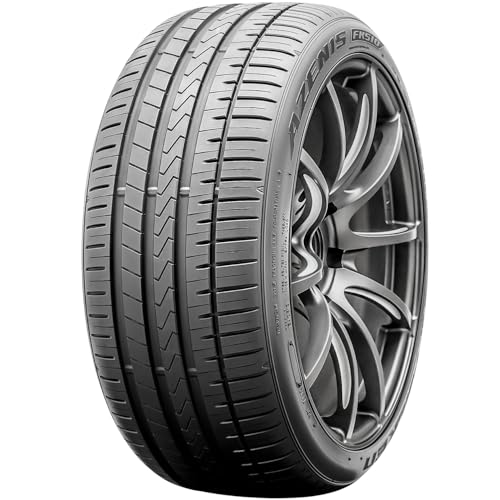
The FALKEN Azenis FK510 is categorized as an Ultra High Performance All-Season (UHP AS) tire. It is built for drivers who demand responsive handling and strong grip from their vehicle, even in cooler temperatures and light inclement weather.
Its XL (Extra Load) construction means it has a higher load capacity, making it suitable for heavier vehicles or those that frequently carry passengers and cargo. The tread pattern and compound are designed to provide a sporty driving experience without being limited to summer-only use.
Michelin Pilot Sport All Season 4 Performance Tire
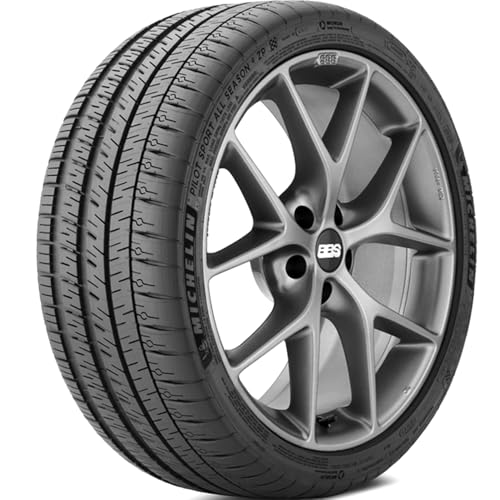
The Michelin Pilot Sport All Season 4 ZP (Zero Pressure) is a benchmark in the performance run-flat category. It is engineered to deliver impressive dry and wet grip while maintaining its capabilities in light snow, offering true year-round performance for sports cars and performance sedans.
Its reputation is highlighted by its selection as the first all-season tire chosen by Chevrolet for the Corvette. This tire is designed for drivers who refuse to compromise on handling and responsiveness, regardless of the season.
Bridgestone Potenza S001 RFT Radial Tire
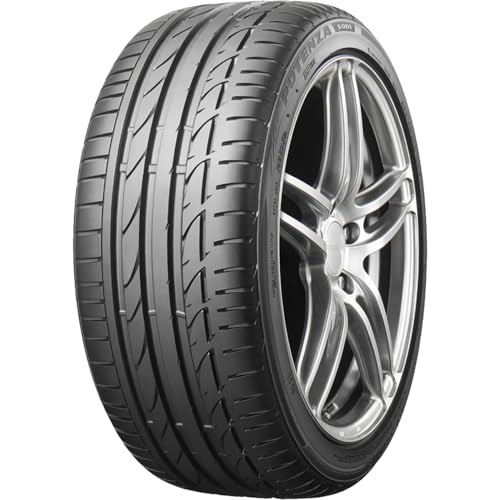
The Bridgestone Potenza S001 RFT is a dedicated high-performance summer run-flat tire. It is specifically designed for sports cars, coupes, and sedans where precise handling and cornering stability are the top priorities.
Its construction features a wide footprint that increases the contact patch with the road during aggressive cornering, providing improved grip and feedback. This tire is for drivers who seek a dynamic driving experience on dry and wet roads during warmer months.
Pirelli P-Zero (PZ4)

The Pirelli P-Zero (PZ4) represents the pinnacle of Pirelli’s performance tire technology, often found as original equipment on high-performance vehicles. It is engineered to provide outstanding grip in both wet and dry conditions, offering confidence at higher speeds.
Key features like large shoulder blocks and a customized tread compound work together to deliver extremely responsive handling and steering precision. This tire is made for drivers who want maximum traction and control from their performance vehicle.
Pirelli Tires CINTURATO P7 A/S (RUN FLAT)
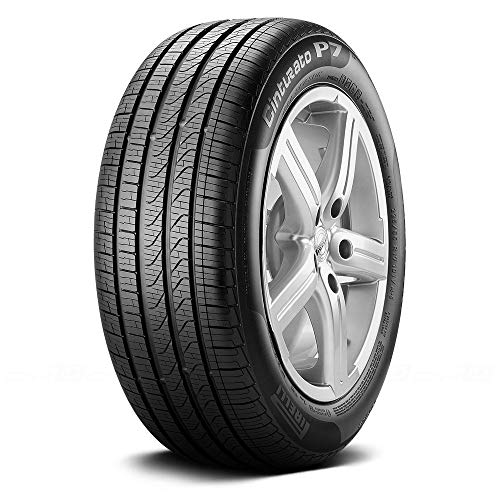
The Pirelli Cinturato P7 A/S Run Flat is an all-season tire focused on combining safety, efficiency, and comfort. It is designed to provide a quiet and comfortable ride while incorporating run-flat technology for security in case of a puncture.
It is important for buyers to provide their vehicle’s year and model when ordering to ensure correct fitment. The seller also notes that larger wheel and tire sizes may require vehicle modifications like a lift kit for proper clearance.
Continental ExtremeContact DWS 06 Plus Runflat
The Continental ExtremeContact DWS 06 Plus Runflat is a highly regarded ultra-high performance all-season tire. The “DWS” in the name stands for Dry, Wet, and Snow, signaling its capability to perform confidently in all three conditions. The “Plus” designation indicates it’s an upgraded version of a popular predecessor.
This tire is engineered for sports cars and performance vehicles that are driven year-round. It aims to deliver sharp, sporty handling and strong traction in dry and wet conditions, while also providing usable capability in light snow, all backed by the security of run-flat technology.
What to Look For in the Best Run Flat Tires for 2025
Choosing the right run flat tires for your car isn’t just about picking a brand you’ve heard of. It’s about matching a specific technology to your driving needs. I’ve tested a lot of tires, and when it comes to selecting from the 10 best run flat tires for 2025, there are a few key things I always check first.
The first big decision is the type of run flat system. There are two main kinds. Self-supporting tires have massively reinforced sidewalls that can carry the weight of your car even with zero air pressure. These are the most common. Then there are auxiliary-supported systems, which use a special ring or insert mounted on the wheel to support the vehicle. For most everyday drivers, the self-supporting design is what you’ll find. You need to know which one your vehicle is designed for, as they are not interchangeable.
Next, think about performance category. A run flat tire for a luxury sedan prioritizes a quiet, comfortable ride and excellent wet grip. A tire for a sports car or performance coupe will focus on sharp handling, high-speed stability, and dry road traction. The compromises are different. A performance run flat might have a stiffer sidewall for better cornering, which can affect ride comfort. A touring-focused run flat will be engineered to dampen road noise and absorb bumps, even with that reinforced construction.
You also can’t ignore the practicalities. Always check the manufacturer’s stated distance and speed you can travel on a deflated tire. It’s usually around 50 miles at 50 mph, but this varies. Remember, run flats are not permanent fixes; they get you to safety. Once you’ve driven on them deflated, they often cannot be repaired. Finally, look at the warranty and treadwear rating. A higher treadwear number suggests a longer-lasting tire, which can help offset the typically higher initial cost of run flat technology. Getting these factors right means you’ll have peace of mind without sacrificing the daily driving experience you want.
Frequently Asked Questions
Are run flat tires worth the extra cost?
This is the most common question I get. The answer really depends on your priorities. The main benefit is safety and convenience; you can maintain control and drive to a service station after a puncture instead of being stranded on the roadside. For many drivers, especially those who don’t want to deal with changing a spare, this is a huge advantage. However, they are usually more expensive, can offer a slightly firmer ride, and not all tire shops repair or service them. You need to decide if the security is worth the trade-offs and higher price tag.
Can I replace just one run flat tire?
It’s generally not recommended, and here’s why. Tires wear down over time. If one tire is significantly more worn than the others, having different tread depths can cause strain on your car’s drivetrain, especially on all-wheel-drive vehicles. Most manufacturers recommend replacing run flats in pairs on the same axle at a minimum. For optimal performance and safety, checking your vehicle’s owner’s manual is the best first step, as some AWD systems are very sensitive and may require replacing all four tires at once.
Do I still need a spare tire if I have run flats?
Technically, no. That’s the whole point. Many new cars equipped with run flat tires from the factory omit the spare tire entirely to save weight and space. You’ll usually find a tire inflation kit instead. However, it’s critical to remember the “get you home” limitation. If you damage the sidewall or drive beyond the deflated mileage limit, the tire is done. You’re calling for a tow. A spare is a full backup, while a run flat is a temporary, controlled solution to a specific problem.
How does the ride quality compare to regular tires?
Early run flat tires had a reputation for a harsh, noisy ride because of those stiff, reinforced sidewalls. The technology has improved dramatically. The latest generations, like many featured in our look at the 10 best run flat tires for 2025, are much better. While there might still be a slight difference in bump absorption compared to a standard touring tire, the gap has narrowed significantly. For most daily driving, the difference in a modern run flat is minimal and a fair trade for the added security.
Can any mechanic repair a run flat tire?
No, not every shop will. Repairing a run flat is more complex. Because the tire has been driven on with no air pressure, the internal structure and sidewalls need a thorough inspection for damage that isn’t always visible. Many manufacturers have strict guidelines on what constitutes a repairable puncture (usually only in the central tread area). It’s best to go to a specialized tire service center familiar with run flat technology to get a proper assessment and safe repair, if possible.