Choosing the right all-season tires is one of the most important decisions for your vehicle’s safety and performance. The ideal set provides reliable traction in summer heat, through autumn rain, and over light winter snow, all while offering a comfortable ride and long-lasting value. With so many options from trusted brands, finding the perfect match for your driving needs and budget can feel overwhelming.
This roundup simplifies your search by highlighting ten of the best all-season tires available. We’ve evaluated key features like wet and dry handling, treadwear warranties, ride comfort, and specialized technologies. Whether you prioritize maximum mileage, all-weather confidence, or balanced everyday performance, there’s a tire here built to last through any weather you encounter.
Our Top Picks for All-Season Tires
- Kumho Crugen HT51 All-Season Tire
- MICHELIN Defender (H) All-Season Radial Tire
- Hankook Kinergy PT All-Season Radial Tire
- Goodyear Assurance MaxLife All-Season Radial Tire
- CONTINENTAL TrueContact Tour All-Season Radial Tire
- MICHELIN CrossClimate2 All-Season Tire
- CONTINENTAL TrueContact Tour All-Season Radial Tire
- Goodyear Assurance WeatherReady 2 All-Season Radial Tire
- Kumho Solus TA31 All-Season Tire
- Bridgestone WeatherPeak All-Season Radial Tire
Kumho Crugen HT51 All-Season Tire
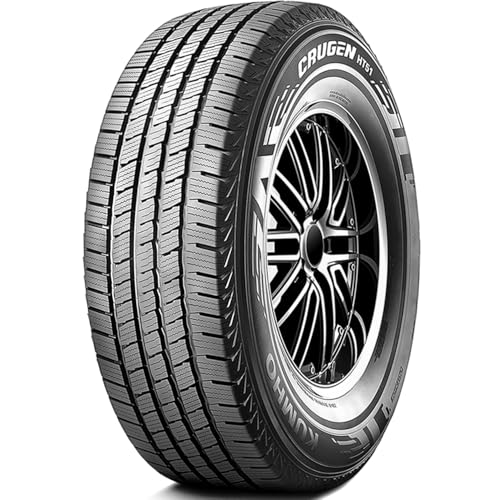
The Kumho Crugen HT51 is a robust all-season tire designed for light trucks and SUVs. It offers a dependable blend of on-road comfort and all-weather capability, making it a solid choice for daily driving and family trips.
Built in South Korea, this tire features a tread pattern engineered to manage water evacuation for improved wet traction. Its construction aims to provide a stable and responsive feel on the highway, contributing to driver confidence in various conditions throughout the year.
MICHELIN Defender (H) All-Season Radial Tire

Michelin markets the Defender as its longest-lasting premium all-season tire, backed by an impressive 80,000-mile manufacturer’s treadwear limited warranty. This tire is built for drivers who want to maximize the time between replacements without sacrificing quality.
Beyond its durability, it is specifically designed to deliver a quiet and comfortable ride. The advanced tread compound and pattern work together to reduce road noise and provide consistent performance in wet and dry conditions, making it an excellent set-and-forget option for many vehicles.
Hankook Kinergy PT All-Season Radial Tire

The Hankook Kinergy PT is a passenger car all-season tire focused on providing a balanced performance. It aims to offer reliable everyday traction with a focus on a smooth driving experience.
This tire utilizes a symmetric tread design that helps promote even wear and stable handling. It is a practical choice for sedan and coupe owners looking for dependable all-season performance from a recognized global brand.
Goodyear Assurance MaxLife All-Season Radial Tire
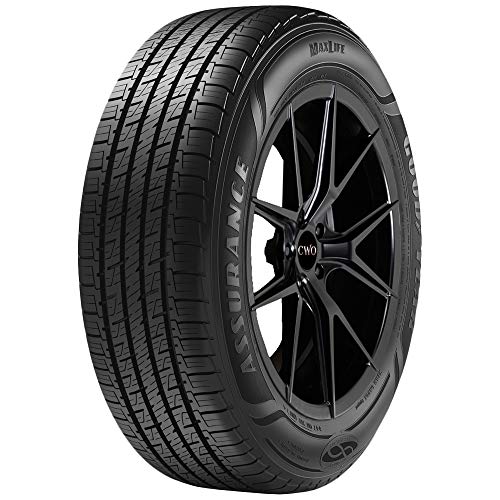
Goodyear’s Assurance MaxLife lives up to its name with TredLife Technology engineered for maximum wear performance. It is built for drivers who want extended all-season reliability and to go the extra mile on a single set of tires.
These tires feature multiple biting edges to aid traction in rain and light snow. Wide circumferential grooves are designed to efficiently evacuate water from the tread, which helps maintain control and confidence on wet roads during adverse weather.
CONTINENTAL TrueContact Tour All-Season Radial Tire

Continental’s TrueContact Tour is engineered with a strong focus on efficiency and wet-weather safety. Its EcoPlus Technology is designed to save fuel, extend tread life, and provide shorter stopping distances on wet roads.
This tire boasts an up to 80,000-mile limited manufacturer tread life coverage, highlighting its durability. Drivers can expect excellent wet braking and handling, offering a confident and secure ride when conditions are less than ideal.
MICHELIN CrossClimate2 All-Season Tire

The Michelin CrossClimate2 is a standout all-season tire that carries the Three-Peak Mountain Snowflake (3PMSF) severe snow service rating. This means it’s tested and proven to provide capable traction in severe snowy conditions, going beyond standard all-season expectations.
It combines this winter capability with the long treadlife Michelin is known for, making it a true four-season solution for many drivers. Its unique tread pattern and compound are engineered for safety and performance across a wide range of temperatures and weather events.
CONTINENTAL TrueContact Tour All-Season Radial Tire
This version of the Continental TrueContact Tour is sized for coupes, sedans, CUVs, and minivans. It shares the same core technology as its sibling, offering a compelling mix of long life and efficient performance.
Backed by an 80,000-mile limited manufacturer tread life for T- and H-rated sizes, it promises long-term value. The EcoPlus Technology continues to be a key benefit, aiming for better fuel efficiency and secure wet-weather braking throughout the tire’s life.
Goodyear Assurance WeatherReady 2 All-Season Radial Tire

The Goodyear Assurance WeatherReady 2 is engineered to be a true all-weather tire, featuring a specialized tread compound designed to stay adaptable in all seasons. It also achieves the severe snow service designation for capable winter performance.
Its AquaTred Technology includes an enhanced tread pattern with sweeping grooves to move water and slush away for better wet and winter handling. A unique feature is the Evolving Traction Grooves, which are designed to maintain water displacement capability for the life of the tire.
Kumho Solus TA31 All-Season Tire

The Kumho Solus TA31 is a passenger car tire that emphasizes a comfortable and efficient drive. Its symmetric tread pattern is designed to lower rolling resistance, which can reduce vibration, noise, and fuel consumption.
Wide shoulder blocks create a soft contact edge with the road for improved traction and steering response, especially around corners. The siped, four-groove tread works to create multiple gripping surfaces while effectively channeling water away into the central grooves for reliable wet weather performance.
Bridgestone WeatherPeak All-Season Radial Tire
Bridgestone’s WeatherPeak is an all-season radial tire built to handle a variety of weather conditions with confidence. It is designed to provide drivers with year-round security without the need to switch tires for the winter season.
This tire typically incorporates Bridgestone’s latest technologies in tread compound and pattern design to balance dry road handling, wet weather braking, and light snow traction. It represents a modern all-weather solution from a leading tire manufacturer, suitable for many different vehicle types.
How to Choose the Best All Season Tires
Picking the right set of tires is one of the most important decisions you can make for your car. It’s the only thing connecting your vehicle to the road, after all. When you’re looking at the 10 best all season tires: built to last through any weather – the tire reviews, it’s easy to get lost in specs and brand names. Let me break down what actually matters so you can make a smart choice that fits your driving and your budget.
First, get honest about your climate. The term “all-season” covers a huge range. If you see mostly rain and mild winters, a standard grand-touring all-season tire will be perfect. But if your winters include regular snow and ice, you absolutely need to look for the Three-Peak Mountain Snowflake (3PMSF) symbol on the sidewall. This means the tire meets a specific snow traction performance standard. Many of today’s best all-weather tires (a step up from traditional all-seasons) carry this rating, offering much better cold-weather grip without switching to dedicated winter tires.
Next, think about your car and how you drive. Are you piling on highway miles in a sedan? Focus on tires known for quiet comfort, long treadlife warranties, and fuel efficiency. Driving a crossover or SUV? Look for models designed for light trucks that prioritize all-weather traction and durability. If you enjoy a more spirited drive, performance-oriented all-seasons will have stiffer sidewalls and stickier rubber compounds for better cornering, though they may wear a bit faster.
Always check the Uniform Tire Quality Grade (UTQG) ratings on the tire’s sidewall. The treadwear grade gives you a comparative idea of longevity (a higher number is better). The traction and temperature grades tell you about wet braking capability and heat resistance. These are useful tools for comparing tires within a category. Finally, don’t just look at the sticker price. Consider the treadwear warranty – a tire with a 70,000-mile warranty often offers better long-term value than a cheaper tire with a 40,000-mile warranty, even if the initial cost is higher. Your goal is to find the best balance of wet/dry/snow grip, noise, comfort, and mileage for your specific situation.
FAQ
What’s the real difference between all-season and all-weather tires?
This is a common point of confusion. Traditional all-season tires are designed primarily for three-season use: spring, summer, and fall. They handle rain and light snow okay. All-weather tires, on the other hand, are a newer category that meet the stricter Three-Peak Mountain Snowflake (3PMSF) standard for winter traction. They use more flexible rubber and aggressive siping to work well in deeper snow and colder temperatures, effectively bridging the gap between standard all-seasons and dedicated winter tires. When reviewing the 10 best all season tires: built to last through any weather – the tire reviews, you’ll often see top all-weather models included because of their superior year-round capability.
How long should a quality set of all-season tires actually last?
Tire lifespan depends heavily on your driving habits, road conditions, maintenance, and even climate. However, a good benchmark is the manufacturer’s treadwear warranty. Many high-quality all-season tires come with warranties ranging from 60,000 to 80,000 miles. You can expect to get that mileage if you rotate them regularly (every 5,000-8,000 miles), keep them properly inflated, and your alignment is correct. Aggressive driving or poor roads will shorten that life significantly.
Can I use all-season tires if I live somewhere with harsh winters?
You can, but I don’t always recommend it if “harsh” means frequent snow, ice, and temperatures consistently below 45°F. While modern all-weather (3PMSF-rated) tires are a massive improvement, they still can’t match the pliable rubber and biting edges of a true winter tire on sheer ice. For the safest option in severe winter conditions, dedicated winter tires are the best tool for the job. All-weather tires are a fantastic compromise for areas with moderate, occasional winter weather.
When is the best time of year to buy tires?
You can often find good deals during holiday sales periods like Memorial Day, Labor Day, and Black Friday. However, the absolute worst time to buy is usually at the start of winter when everyone suddenly realizes they need new tires. Planning ahead in the late summer or early fall gives you more selection and better prices. If you need winter or all-weather tires, buying them before the first forecasted snowstorm is a smart move.
Is it okay to mix different tire brands or models on my car?
I strongly advise against this. For optimal safety and performance, you should have the same brand, model, and size of tire on all four wheels (or at least on the same axle). Mixing tires can lead to unpredictable handling, especially in emergency maneuvers or bad weather, because each model has different grip, tread design, and rubber compounds. Always replace tires in sets of at least two (for the same axle) for the best results.